How to Rent an RV: A Step-by-Step Guide for First-Timers
As an Amazon Associate, I earn from qualifying purchases. Please note that a few of the links in this article are actually affiliate links. This means that if you click on them, I will get a commission, without any extra cost to you. I only recommend products or services that I personally tested and highly recommend.
Renting an RV sounds like a great idea until you actually start looking into it. Suddenly you’re wondering what kind you need, how big is too big, whether you’re even allowed to drive one, and if this whole thing is going to be more work than it’s worth.
If you’ve never done it before, learning how to rent an RV can feel overwhelming fast, especially when you’re planning a family trip and don’t want to make an expensive mistake.
I get it. I rented an RV through RVshare with my family to test the entire process from start to finish, from searching and booking to pickup, costs, insurance, and returning it at the end of the trip. We’re a family of 4 with young adults, which meant things like sleeping space, ease of driving, and overall comfort mattered more than squeezing into the cheapest option available.
This guide is for first-time RV renters who want clear answers, not vague advice. I’m walking you through exactly how renting an RV works, the different types you’ll see, what it actually costs, and what to expect before you ever turn the key.
I’ll also share the things I wish I had known before booking, including why we always search for an RV that sleeps more people than we actually need.
By the end, you’ll know whether renting an RV makes sense for your family and how to do it with confidence, without committing to ownership or guessing your way through the process.
This post is in partnership with RVshare. RVshare provided a rental for us to test the rental process. All opinions are my own.
Step 1: Decide What Type of RV You Actually Need
Before you ever start scrolling through listings, you need to understand the basic types of RVs you’ll see when learning how to rent an RV. This one decision shapes everything else, including cost, ease of driving, sleeping arrangements, and whether this trip feels relaxing or stressful.
When people say “RV,” they’re usually lumping together two very different categories: drivable RVs and towable RVs. RVshare lists both, and neither is automatically better. The right choice depends on how comfortable you are driving, how long your trip is, and how much flexibility you want once you arrive.
Drivable RVs (Class A, B, and C)
Drivable RVs are exactly what they sound like. You drive the entire vehicle, and everything you need travels with you.
You do not need a special license to drive any of these, but you do need to be honest with yourself about your comfort level. Driving something larger than your everyday car is a mental shift, especially on highways, tight turns, and when parking.
- Class A RVs are the largest motorhomes and look more like buses. They usually sleep a lot of people and have generous living space, but they’re best suited for drivers who already feel confident handling big vehicles.
- Class B RVs, often called camper vans, are the smallest drivable option. They’re easier to drive and park, but most only sleep 2 people comfortably, which makes them a tough fit for families.
- Class C RVs fall right in the middle. They drive more like a large pickup truck and usually have a cab-over sleeping area. This is the option we chose because it balanced sleeping space with drivability, and it felt manageable even as first-time renters.
If the idea of towing anything makes you nervous, a drivable RV is often the least intimidating way to try RV travel for the first time.
Towable RVs
Towable RVs are pulled behind your own vehicle. This option works well for longer stays because once you’re parked, you can unhook and use your car to get around.
The biggest thing to understand here is towing capacity. Your vehicle can only tow a certain amount of weight, and that number matters more than how the RV looks in photos.
- Travel trailers are the most common towable RVs. They range widely in size and sleeping capacity and can be towed by many SUVs and pickup trucks.
- Toy haulers are similar to travel trailers but include space for gear like bikes, kayaks, or motorbikes.
- Fifth wheels attach to a special hitch in the bed of a truck. Unless you already have the right setup, this usually isn’t a first-time renter option, though they’re great if you plan on delivery only.
- Pop-up campers fold down for travel and expand at the campsite. They’re smaller and lighter, but still offer beds, basic kitchens, and sometimes even air conditioning. They’re a great option if you have a small SUV and can’t handle a bigger tow weight.
If you’re comfortable towing and like the idea of having a regular vehicle once you arrive, a towable RV can be a great option. If not, delivery-only rentals remove that stress entirely.
💸 Get $70 Off Your RV Rental!
Planning an RV adventure? Use code USART250 to save $70 on RV rentals of $700 or more when you book through RVshare.
🗓️ Valid Jan 29 – July 31, 2026
🚫 Excludes insurance, taxes, fees, or upgrades from the qualifying amount.
🚐 Early planning = better RVs, better dates, and extra savings — especially for summer road trips!

Step 2: Understand How RVshare Works
Before you worry about driving, hookups, or campground reservations, it helps to understand how RVshare actually works. Once this clicks, the rest of the process feels much less intimidating.
RVshare is a peer-to-peer RV rental platform, similar in concept to Airbnb, but for RVs. Individual owners list their RVs with photos, rules, pricing, and availability, and you rent directly from them through the platform.
RVshare handles the booking process, insurance options, payments, and roadside assistance, which adds a layer of protection you don’t get when renting directly from a private owner.
What I like about this setup, especially for first-time renters, is that you’re not locked into a one-size-fits-all fleet. You can choose the RV that best fits your trip, whether that’s something easy to drive, something that sleeps extra people comfortably, or something that never leaves the campground because it’s delivered.
Why RVshare Works Well for First-Time Renters
If you’ve never rented an RV before, RVshare removes a lot of the friction that makes people hesitate.
- You can filter by exactly what you need, including sleeping capacity, RV type, price range, and delivery options.
- Listings include detailed photos, amenities, rules, and reviews, so you’re not guessing what you’re getting.
- Insurance and roadside assistance are built into the process, which adds peace of mind if something goes wrong.
- Communication with the owner happens inside your dashboard, so everything stays documented.
For me, having everything centralized mattered. I didn’t want to juggle emails, contracts, or separate insurance policies while planning a family trip.
Delivery vs Driving the RV Yourself
One of the most underrated features on RVshare is the delivery option. Some owners will deliver the RV directly to your campground, set it up, and pick it up when your trip ends.
This is a game-changer if:
- You don’t want to drive or tow an RV
- You’re flying to your destination
- You’re staying in one place the entire trip
For example, if you’re camping somewhere like Walt Disney World, you can arrive to a fully set-up RV waiting for you. No driving stress, no towing, and no learning curve on the road.
If you do want to drive the RV yourself, RVshare makes that easy too. You’ll just filter accordingly and choose listings that allow pickup.
Once you understand these options, you can search with confidence instead of feeling like you’re guessing your way through listings.
Step 3: How to Search for an RV on RVshare
Once you understand the types of RVs and how RVshare works, the actual search process is pretty straightforward. The key is knowing which filters matter and which ones you can ignore until later.

You’ll start by entering your destination, travel dates, and how many people you need the RV to sleep. From there, RVshare brings up a results page that looks similar to other rental platforms, with listings on one side and a map showing where each RV is located.
At this stage, I recommend not over-filtering right away. Scroll a bit first to get a feel for pricing and availability in your area, then start narrowing things down.
Filters That Actually Matter
These are the filters I use every single time, especially when renting an RV for the first time.

- Sleeping capacity
This is more important than it sounds. If an RV says it sleeps 4, that often assumes 2 people are sharing a bed and that at least one sleeping area is a converted dinette. With older kids or teens, that can get uncomfortable fast. This is why we always search for an RV that sleeps at least one more person than we actually have. - Drivable vs towable
Use this filter once you’ve decided whether you want to drive the RV or have it towed or delivered. Even if you can’t tow, don’t automatically rule out towable RVs yet. - Delivery option
If you don’t want to drive or tow an RV, check the box for listings that offer delivery. This opens up a lot of options that first-time renters often overlook. - Price range
I like to set this after I’ve scanned a few listings, so I understand what’s realistic for the location and season.
Filters You Can Use Later
Some filters are helpful, but not essential at the beginning.
- Instant book is nice if you don’t want to wait for owner approval, but it’s not required.
- Length restrictions matter if you’re staying in national parks or older campgrounds, but you can fine-tune this once you know where you’re camping.
- Keywords are only useful if you’re searching for a specific make or model.

When Delivery Makes the Most Sense
Delivery-only rentals deserve a second mention because they simplify the process so much for beginners.
If you’re staying in one campground, flying to your destination, or just don’t want the stress of driving something unfamiliar, delivery can make renting an RV feel more like checking into a hotel, just with a lot more space.
Once you’ve set these filters, you’ll be left with a manageable list of RVs that actually fit your needs, instead of dozens of options that don’t.
Need some ideas for RV Vacations? You can go just about anywhere!
Step 4: How to Choose the Right RV Listing

Once you’ve narrowed down your search results, the real decision-making begins. This is where first-time renters can get tripped up, not because there aren’t enough options, but because it’s easy to overlook details that matter once you’re actually on the road or parked at a campground.
Clicking on a listing opens a full page with photos, descriptions, amenities, rules, pricing, and reviews. Don’t rush this part. Choosing the right RV listing is less about finding the “nicest” one and more about finding the one that fits how your family actually travels.
What to Look for in Photos and Descriptions

Start with the photos. You want to see clear images of all sleeping areas, the bathroom, kitchen, and any outdoor setup. If key spaces aren’t shown, that’s a red flag. The description should clearly explain how sleeping arrangements work and call out anything unusual, like a bed that converts from a table or limited storage.
Pay attention to:
- Bed sizes and locations
- Bathroom setup (especially showers and toilets)
- Kitchen basics like fridge size and stovetop
- Outdoor features such as awnings or chairs
If something matters to you and isn’t mentioned, message the owner before booking.
Amenities That Matter vs Amenities That Don’t
It’s easy to get distracted by long amenity lists, but not all features carry the same weight.
Amenities that usually matter more for families:
- Air conditioning
- A working bathroom
- Adequate sleeping space without daily conversions
- Enough seatbelts if you’re driving the RV
Amenities that sound nice but aren’t essential:
- Outdoor TVs
- Fancy lighting packages
- Extra gadgets you may never use
Focus on comfort and function first.
Why Reviews Are Non-Negotiable
Reviews are one of the most valuable parts of an RVshare listing. They tell you how the RV actually performs and how responsive the owner is if something comes up.
Look for patterns, not perfection. One minor complaint isn’t a dealbreaker, but repeated comments about cleanliness, mechanical issues, or poor communication should give you pause.
Understanding Pricing and Extra Fees

The nightly price is never the final number, and that’s normal. What matters is knowing the full cost upfront so there are no surprises later.
Hover over the question marks for more details.
Before booking, scroll through the full pricing breakdown. This is where you’ll see:
- Nightly rate
- Delivery fees, if applicable
- Cleaning fees
- Insurance costs
- Security deposit amount
- Optional add-ons like generators or gear
Once you’ve reviewed all of this and feel confident, you can either request to book or book instantly if the listing allows it. If you’re not ready yet, save the RV to your favorites so you can come back to it later.
Step 5: What It Really Costs to Rent an RV
One of the biggest questions people have when learning how to rent an RV is whether it’s actually affordable. The short answer is that it depends, but the longer answer is that RV pricing is very upfront once you know what you’re looking at.
Unlike hotels, the nightly rate you see at first is not the final cost. That’s normal with RV rentals, and it doesn’t mean you’re being nickel-and-dimed. It just means there are a few standard components that make up the total price.
Typical RVshare Costs to Expect
When you look at a rental breakdown, you’ll usually see some combination of the following:
- Nightly rental rate
This is the base price and varies widely by RV type, location, and season. - Insurance
Some owners include insurance, while others require you to purchase it through RVshare. If insurance is required, you don’t have the option to opt out. - Cleaning fee
This covers professional cleaning after your trip and is fairly standard. - Delivery fee (if applicable)
If you choose delivery, this is usually charged based on the distance from the owner to the campground. - Security deposit
This is separate from insurance and covers non-accidental damage. It’s typically charged shortly before your trip and refunded after the RV is returned in good condition.
You’ll see all of these clearly listed before you book, so there are no surprises once you commit.
What Our RV Rental Actually Cost
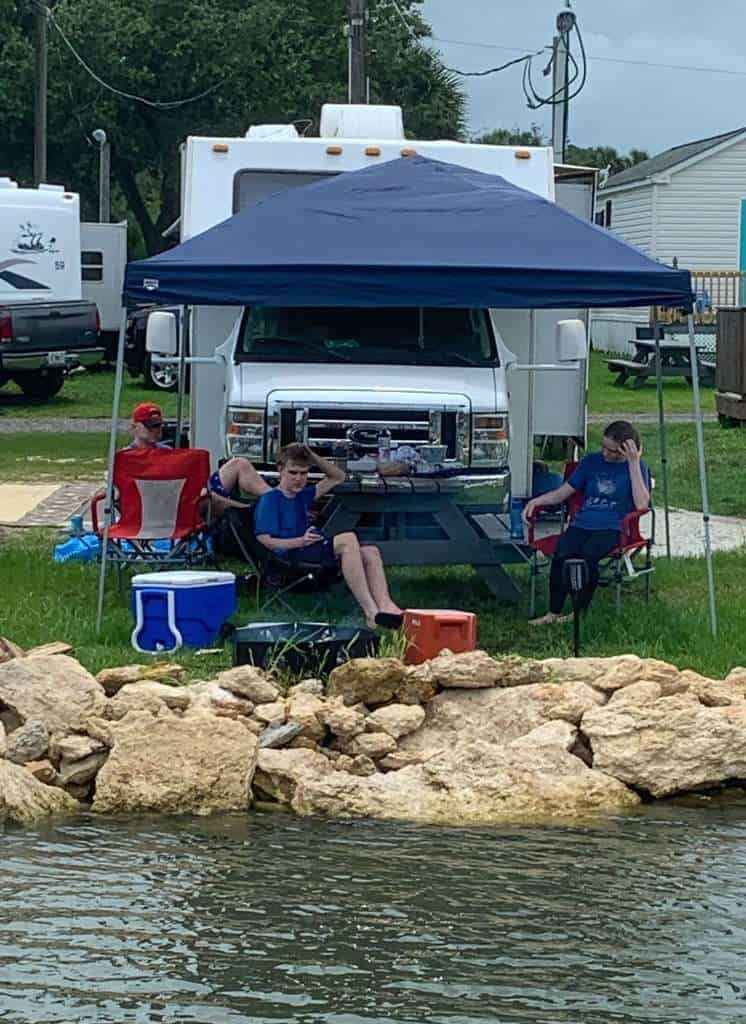
To give you a real-world example, our RV rental for 3 nights came to $449.73, including insurance. The $500 security deposit was not included in that total since it was refunded after the trip.
Our campground cost was $283.50, bringing our total trip cost to $733.23 for 3 nights. That breaks down to about $244 per night all-in for accommodations.
We likely could have found a cheaper campground if we had more time to plan, but we wanted a water-view site on short notice. State parks and less resort-style campgrounds are often much more affordable.
💸 Save $70 on Your RV Rental
RVshare is already a cost-effective way to rent an RV — and here’s how to save even more:
Use code USART250 for $70 off rentals of $700 or more
🗓️ Valid Jan 29 – July 31, 2026
Minimum excludes insurance, taxes, fees, and upgrades.
✅ Early booking = more options + better deals!
Is Renting an RV Cheaper Than a Hotel?
In many cases, renting an RV is comparable to a hotel, not dramatically cheaper or more expensive.
If you’re looking at hotels around $200 per night plus taxes and fees, the total often ends up close to what you’d pay for an RV. The difference is what you get for that price. With an RV, you’re getting more space, separate sleeping areas, and the flexibility to stay in places hotels can’t reach.
RV rentals also work especially well for road trips. Instead of booking hotels and renting a car separately, a drivable RV combines transportation and lodging into one, which can simplify planning and budgeting.
The key is to compare total costs, not just nightly rates, and decide what type of experience makes the most sense for your family.
Step 6: Insurance, Roadside Assistance, and Deposits
This is the part that tends to make first-time renters nervous, but it’s also where renting through a platform like RVshare adds a lot of peace of mind. Once you understand how insurance, roadside assistance, and deposits work, there’s really not much mystery left.
RV Rental Insurance
Some RV listings include insurance in the nightly rate, while others require you to purchase it through RVshare. If a listing requires insurance, you cannot opt out, even if you have your own auto insurance. This is standard and protects both you and the owner.
What matters most is that:
- Insurance costs are shown upfront before you book
- You know exactly what you’re paying
- Coverage applies during your rental period
A listing that doesn’t charge separately for insurance isn’t automatically cheaper overall, so it’s worth comparing total prices instead of focusing on this line item alone.
Roadside Assistance
One of the biggest benefits of renting through RVshare is access to 24/7 roadside assistance. If you’ve never driven or camped in an RV before, this is a huge reassurance.
Roadside assistance typically includes:
- Tow service
- Tire service
- Emergency supply delivery
- Battery service
- Lockout service
- Extraction
- Access to an RV mobile mechanic
Hopefully, you’ll never need any of this, but knowing it’s available makes the entire experience feel much less risky, especially on longer trips.
Security Deposits: What to Expect
Most owners require a security deposit. This is separate from insurance and is meant to cover non-accidental damage or excessive cleaning.
A few important things to know:
- The deposit amount is listed clearly in the rental details
- It’s usually charged shortly before your trip begins
- It’s refunded after the RV is returned and inspected
- Refunds typically happen within about a week
Depending on your credit card, this may show as a temporary hold rather than a permanent charge. Either way, it’s something to factor into your planning so it doesn’t catch you off guard.
Once you understand these protections, renting an RV feels far less intimidating and much more manageable, even for first-timers.
Step 7: Picking Up (or Receiving) Your RV
Once your rental date arrives, it’s time for pickup or delivery. This part can feel intimidating if you’ve never rented an RV before, but it’s actually one of the most helpful steps in the process.
If you’re picking up the RV yourself, plan for about an hour. This isn’t a quick handoff, and that’s a good thing. The owner will walk you through the RV, show you how everything works, and document any existing damage so there’s a clear record before you leave.
If your RV is being delivered, many of these same steps still happen, just at the campground. The owner will typically set everything up and explain the basics once you arrive.
What the Walkthrough Covers
During the walkthrough, the owner will usually explain:
- How hookups work for water, electric, and sewer
- How to use the bathroom, shower, and tanks
- How the refrigerator, stove, and other appliances operate
- Any quirks or tips specific to that RV
This is the time to ask questions, even if they feel obvious. It’s much easier to learn this upfront than to troubleshoot later.
Pre-Arrival Checklists and Documentation

RVshare provides a pre-arrival checklist and departure forms in your dashboard. These outline what the owner has done to prepare the RV and what you’re responsible for during the rental.
Before you leave:
- Review the checklist
- Make sure existing damage is documented
- Confirm fuel levels and generator rules, if applicable
This protects you just as much as it protects the owner.
A Tip for First-Time Renters
Don’t feel rushed. If something doesn’t make sense, ask the owner to show you again. Most RV owners want you to feel comfortable because it reduces issues during the rental.
Taking the time here makes the rest of your trip smoother and helps you start your RV experience feeling confident instead of overwhelmed.
Step 8: Returning the RV
Returning the RV is usually much simpler than people expect, especially if you took your time during pickup and followed the basic guidelines during your trip.
When you return the RV, the owner will complete a return walkthrough that’s very similar to the departure process. If the RV was delivered, this often happens when the owner picks it up from the campground.
What Happens During the Return
During the return, the owner will:
- Check the RV for any new damage
- Review fuel levels and generator usage, if applicable
- Confirm waste tanks were handled according to the agreement
- Complete the return form through RVshare
If everything looks good, the rental is closed out in the system.
Getting Your Security Deposit Back
Once the return is complete and no issues are reported, your security deposit is released. In most cases, refunds are processed within about a week. In my experience, the deposit came back faster than expected.
A few tips to make this process smooth:
- Take photos at return, just like you would with a rental car
- Note any damage you’re aware of on the return form
- Keep communication inside the RVshare platform
As long as there’s no intentional damage or major issues, the deposit return is straightforward.
Returning the RV doesn’t need to be stressful. If you’ve communicated clearly and followed the rental agreement, this step is simply the final box to check before heading home.
Is Renting an RV Worth It for Families?
Whether renting an RV is worth it really comes down to how your family likes to travel. It’s not the cheapest option in every scenario, and it’s definitely not the right fit for every trip, but for the right family and the right situation, it can be a great experience.
Renting an RV works especially well for families with older kids and teens who appreciate having their own space. Separate sleeping areas, a bathroom you don’t have to share with an entire hotel floor, and the ability to spread out can make a big difference, especially on multi-night trips.
When Renting an RV Makes Sense
Renting an RV is often worth it if:
- You want more space than a standard hotel room
- You’re taking a road trip and don’t want to pack and unpack every night
- You’re staying in one location and can use delivery instead of driving
- Your kids are old enough to enjoy the flexibility and independence
It’s also a solid option if you like the idea of camping but aren’t ready to commit to buying an RV or dealing with all the maintenance that comes with ownership.
When It Might Not Be the Best Fit
An RV rental may not be the best choice if:
- You plan to spend very little time at your accommodations
- You’re uncomfortable driving or towing and delivery isn’t available
- You prefer full-service hotels with daily housekeeping
- Your trip involves a lot of tight urban driving or parking
Being honest about how you travel helps avoid frustration and makes sure you’re choosing the right type of experience.
Why Renting Beats Owning for Many Families
For most families, renting is the sweet spot. You get the experience without the long-term commitment, storage issues, insurance costs, and maintenance headaches that come with owning an RV.
Renting lets you try different styles of RVs, choose what works best for each trip, and walk away when the vacation is over. For families juggling school schedules, sports, and limited vacation time, that flexibility matters.
If you’re curious about RV travel but hesitant to jump in, renting is often the easiest and lowest-risk way to see if it’s something your family actually enjoys.
FAQ
Q: What if I’ve never driven or operated an RV before?
A: If you’re new to RVing, many rental companies offer orientation sessions and tutorials to help you feel comfortable operating the vehicle. Additionally, starting with a smaller RV or camper van can be a good option for beginners.
Q: What if I encounter mechanical issues or breakdowns during my trip?
A: Most RV rental companies offer 24/7 roadside assistance to help with mechanical issues, breakdowns, and emergencies. It’s essential to familiarize yourself with the roadside assistance policy and contact information before your trip begins.
Q: Can I bring my pets along on the RV trip?
A: Many RV owners allow pets, but it’s essential to check the rental policies and any additional fees or restrictions associated with bringing pets along. Additionally, some campgrounds and parks may have specific rules regarding pets on-site.
Q: What if I need to cancel or modify my RV rental reservation?
A: Rental cancellation policies vary by company and may include cancellation fees or refund eligibility based on the timing of the cancellation. It’s essential to review the rental agreement and cancellation policy before booking.
Final Thoughts on How to Rent an RV
If you’ve been on the fence about RV travel, renting is the easiest way to see if it actually works for your family. Once you understand how to rent an RV, the process is far less intimidating than it looks at first glance.
Renting through RVshare allowed us to choose the right size RV, understand the full cost upfront, and try this style of travel without committing to ownership. For families who want more space than a hotel and more flexibility on the road, it’s a practical way to travel.
If you’re ready to explore your options, RVshare makes it easy to compare RVs, filter by what matters most, and book with confidence. And if questions come up, I’m always happy to help. You can email me or reach out on social anytime.
Want to test RV travel with your family this year? Start with a short weekend getaway. Use this RVshare search link to find drivable RVs under $150/night in your area.